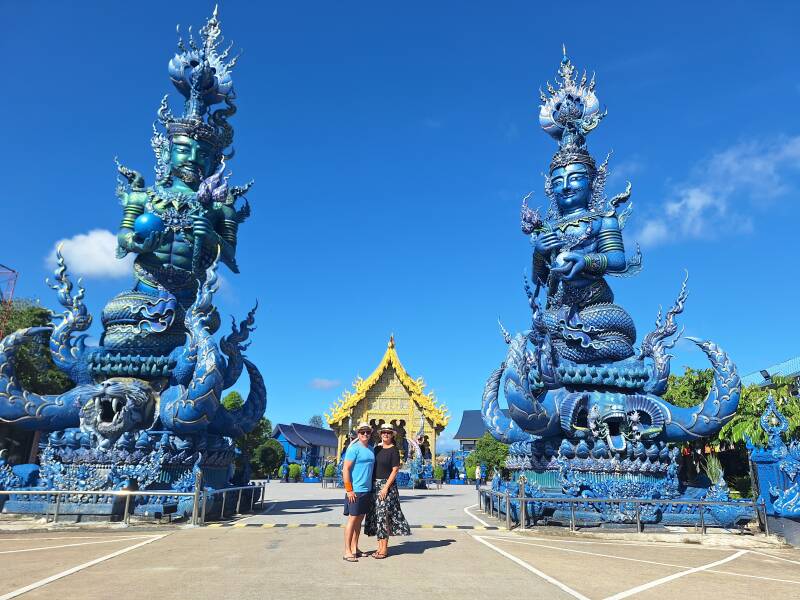
Chiang Rai is nestled in the mountains of Northern Thailand. This destination is rich in culture, history and breathtaking scenery. From its incredible temples and intricate architecture to the traditions and way of life of the local hill tribes, it offered us a fascinating glimpse into a more authentic and spiritual side of Thailand.
Day 5: Chiang Rai
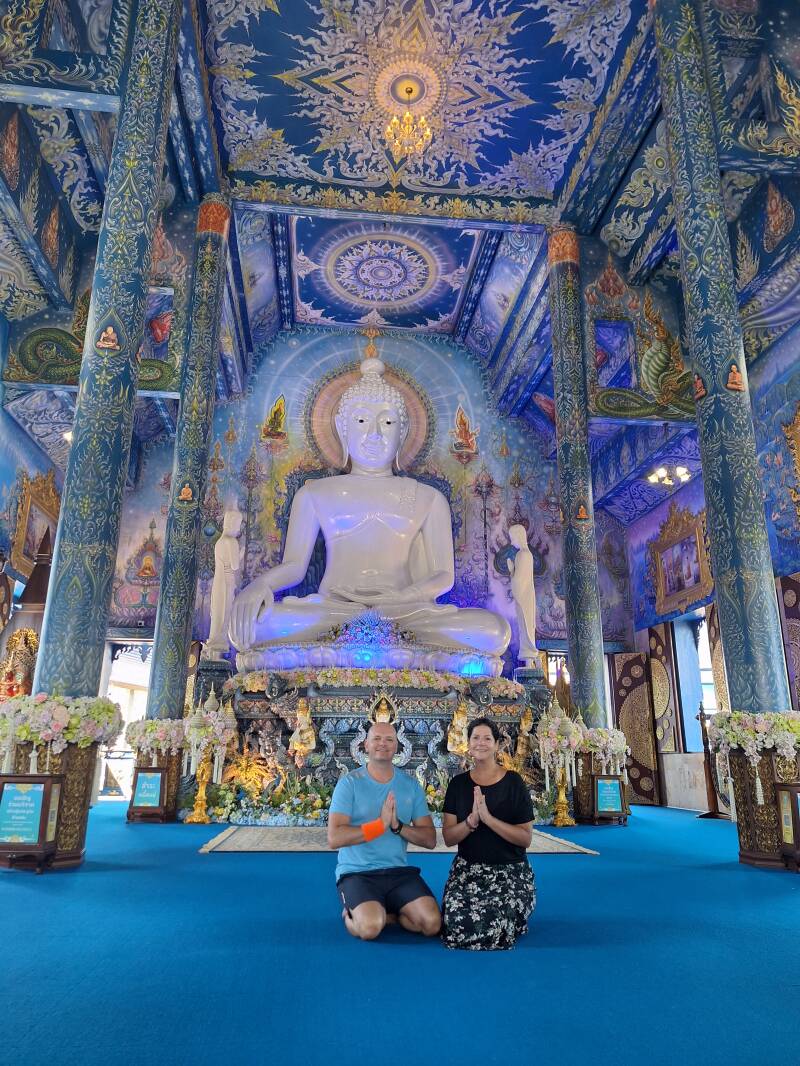
Our first stop was Wat Rong Suea Ten, better known as the famous Blue Temple. Thailand certainly knows how to make an impression when it comes to temples, and this one was unlike anything we had seen before. The rich sapphire blue tones combined with gold detailing made the entire place glow in the morning light.
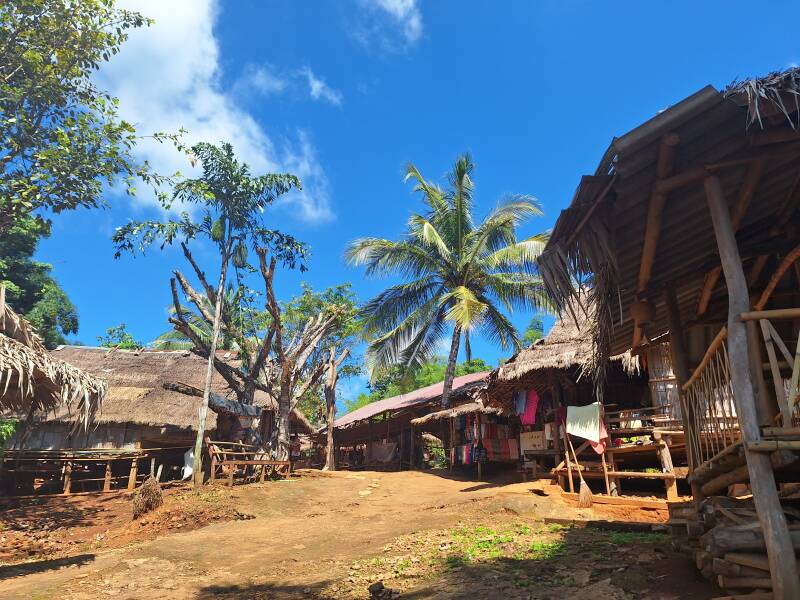
From there we visited a local Akha village nestled amongst the hills and tea plantations. The scenery along the drive was beautiful, with rolling greenery stretching into the distance. The Akha people are one of Thailand’s ethnic hill tribes and are known for their colourful traditional clothing, weaving and strong cultural heritage. As we walked through the village, we were able to see local women hand weaving traditional scarves and other handmade items using techniques passed down through generations. It was fascinating to see how the villagers live day to day in these remote mountain communities and experience a way of life that feels far removed from the busy tourist centres we had visited earlier in the trip.
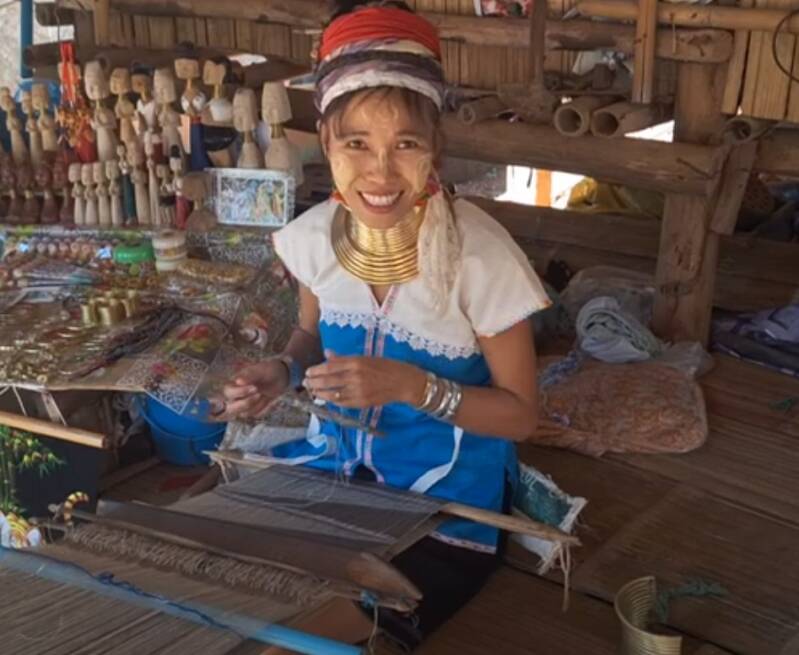
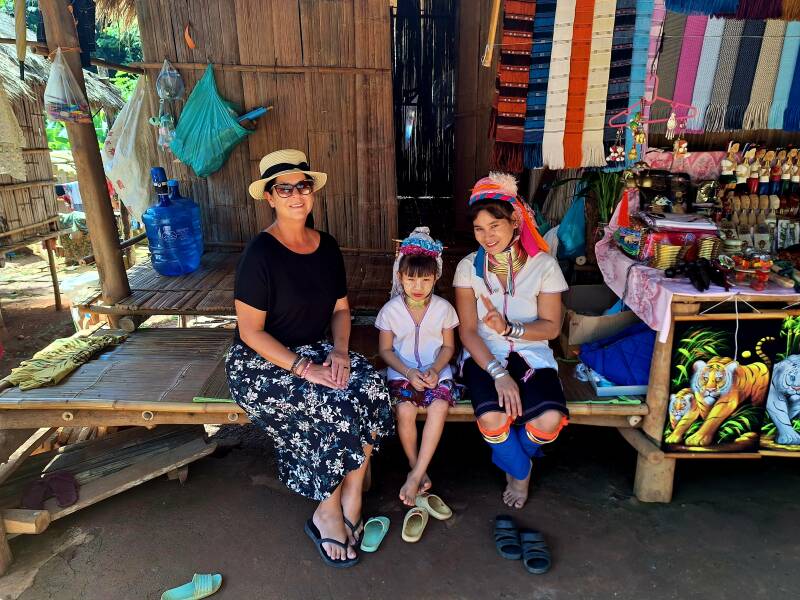
We also visited a village of the Kayan people, often referred to as the “Long Neck” tribe, where many of the women wear traditional brass coils around their necks as part of their cultural identity. The rings do not actually stretch the neck itself, but gradually press down the collarbone and shoulders, creating the appearance of a longer neck over time. Seeing the intricate weaving, handcrafted goods and traditional customs firsthand made for a truly eye-opening cultural experience.
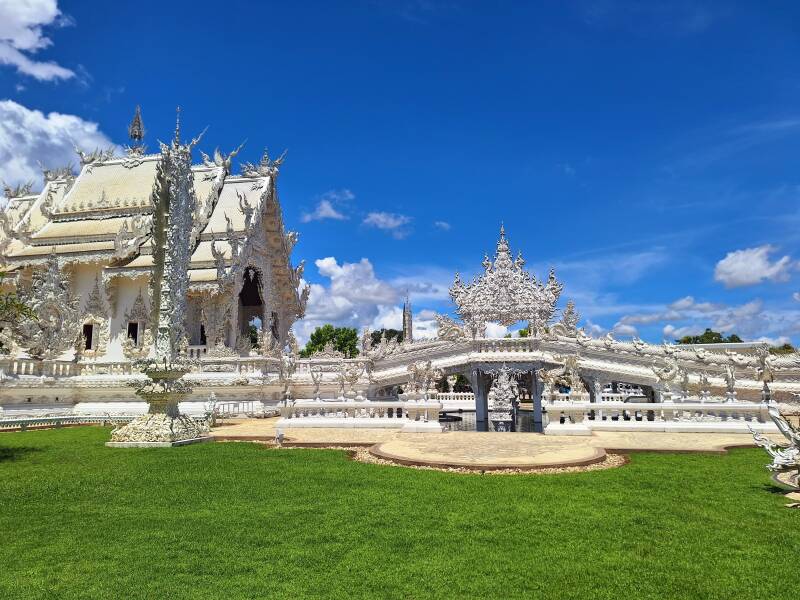
The highlight of the day though was undoubtedly Wat Rong Khun — the famous White Temple. Photos online simply do not prepare you for seeing this place in real life. The temple almost appears to shimmer in the sunlight thanks to the mirrors embedded throughout the bright white exterior. Every angle feels designed for Instagram, but beyond the beauty there is also a deeper symbolism, with the white colour representing purity and wisdom in Buddhism.

Unlike traditional Thai temples, this one feels more like a giant piece of contemporary art. The bizarre sculptures, intricate detailing and surreal design elements make it one of the most unique attractions we have visited anywhere in the world. It is easy to see why it has become one of the most photographed places in Thailand.
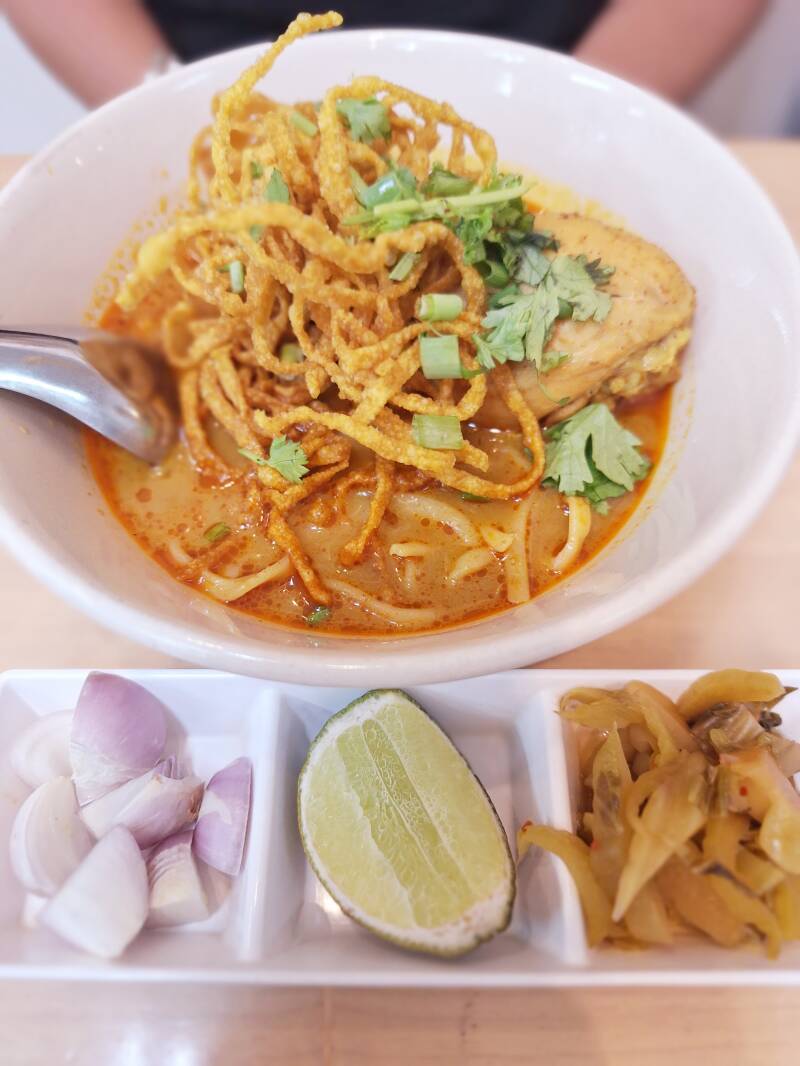
After hours spent exploring the temples, we had certainly worked up an appetite, and you cannot visit Northern Thailand without trying its famous local dish, Khao Soi. Rich, creamy and packed with flavour, it was easily one of the best meals we had during our travels. One spoonful and we could instantly understand why this Northern Thai specialty is so loved.
As we continued through the region, the scenery became greener and more mountainous, with winding roads, rivers and dense forest adding to the atmosphere. Northern Thailand has a completely different feel to the islands and beaches in the South. It feels calmer, cooler and more connected to nature.
Add comment
Comments